We build skills and carry organisations through change with learning and workshops that keep pace with the tools people genuinely use: Generative AI in everyday work, automation built with n8n and Make.com, the adoption of agentic AI tools such as Claude Code, Claude Cowork and Codex, and an AI programme for the executives who have to decide where to invest first. Every course is designed to be hands-on: participants use their own work as the exercise and leave with something they can carry on using the next day, not just a set of summary slides.
The courses we run
The courses fall into three tracks: Core Learning, for people at work who need to be able to use the tools; Agentic AI, for teams ready to hand a whole sequence of steps over to the tool; and AI for Business, for executives who have to choose where to invest in AI first. They range from one-day courses to a five-day bootcamp, and we keep class size to around 20–30 so the instructor can look over everyone's work.
- Core Learning. ChatGPT Essentials for Business: how to use it, the basics of prompt structure, and a hands-on project for real use (2 days).
- Core Learning. Generative AI for Specific Business: content adapted to a particular function, such as marketing or HR, then applied to that group's real work (1 day).
- Core Learning. Workflow Automation with make.com and n8n: the basics of wiring systems together, plus a project connecting email, LINE, spreadsheets and databases (1 day).
- Core Learning. Python Developer for Gen-AI Bootcamp: Python for beginners, advanced prompting, APIs, RAG, fine-tuning and deployment (5 days).
- Agentic AI. Claude Cowork & Agentic Workflow for Real Business Projects: working with Claude Cowork on the organisation's own business project briefs (1 day).
- Agentic AI. Bringing Claude Code and Codex into the team: handing over jobs that take several steps, with the limits to set beforehand and the way to check the work before the result is used.
- AI for Business. AI Requirement Discovery Workshop & Strategy Roadmap Clinic: turning pain points into use cases, setting the vision, prioritising, and working through an ROI Canvas (2 days).
- AI for Business. Data & Governance for AI: PDPA, model risk and a governance framework (1 day).
- Courses written for a particular group and brief, such as GenAI Productivity: Prompt Engineering + n8n Workflow, and a talk on AI Driven Business Transformation for academic institutions.
The Agentic AI track: Claude Code, Claude Cowork and Codex
These tools work differently from asking a question one instruction at a time. You hand over a whole brief and the tool works through it in steps: reading files, looking things up, writing and fixing code, then bringing the work back for a person to check. What most teams get stuck on is therefore not the buttons, it is knowing which work is worth handing over, what limits to set before starting, and how to check the result so it can still be trusted. These classes run on the organisation's own real work from the first hour, not on invented examples.
- Claude Cowork for document work, analysis, and routine tasks that repeat as a sequence of steps.
- Claude Code and Codex for technical teams: changing existing code, writing scripts, and jobs that run across many files.
- Writing a brief clear enough for the tool to carry on unattended, and setting checkpoints where a person reviews before it goes further.
- Boundaries and safety: what data may go into the tool, who approves it, and what has to be logged.
AI for business, for the people who decide
Executives do not need to be the best prompt writer in the room. They need to be able to say where the organisation should start, what it will take in people and time, and what risk is being carried. So this track is a workshop rather than a lecture: it begins with work that is genuinely stuck, turns it into use cases, ranks them by the result they would produce and how hard they are to build, and closes with a framework for governing data. The point is that the plan people leave with is one they can act on, not a list of interesting technologies.
- Turning real pain points into use cases, with a clear account of who benefits.
- Ranking them with a prioritisation matrix, and testing the case with an ROI canvas.
- A governance framework covering PDPA, model risk, and who is allowed to see which data.
- Executive workshops, talks, and guest lectures for academic institutions, such as AI Driven Business Transformation.
How we teach, and what you leave with
We teach hands-on throughout the day, with activities, games and polls at intervals so that the whole room takes part, not only the front row. Participants bring their own real work as the exercise from the morning onwards. The material is based on the tools people genuinely use (ChatGPT, Gemini, Claude, Claude Code, Codex, make.com and n8n), and we keep adjusting it as those tools move. We run training in-house for a single organisation, with the content and examples matched to your business and your data, and as lectures for large groups, with knowledge measured before and after through an online test that gives answers and an explanation for each question. The aim throughout is a team that can carry on by itself, rather than one that has to call in a consultant every time a new problem comes up.
- A team that genuinely uses Generative AI and agentic AI tools in their everyday work.
- The pieces of work or workflows built during the training, ready to use straight away.
- A prioritised list of use cases to plan the next step from.
- An understanding of risk and governance, covering both PDPA and model risk.
- An action plan the team can start on the next morning.
Solutions in this area

Generative AI Learning Program
Get your team genuinely using Generative AI, from the fundamentals through to building and deploying
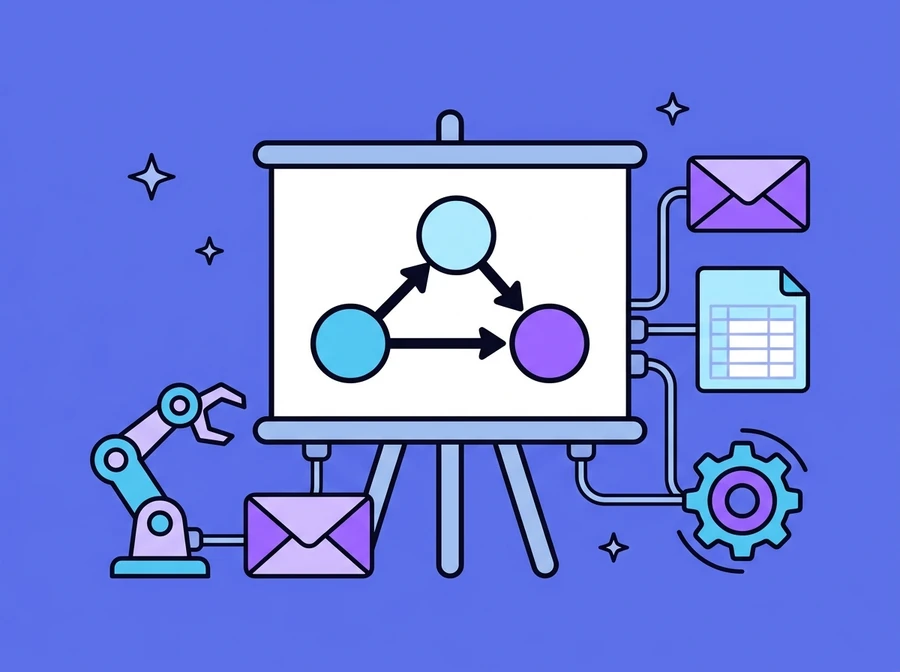
Automation Training
Teach your team to connect AI to real work, with n8n, Make and agentic workflows
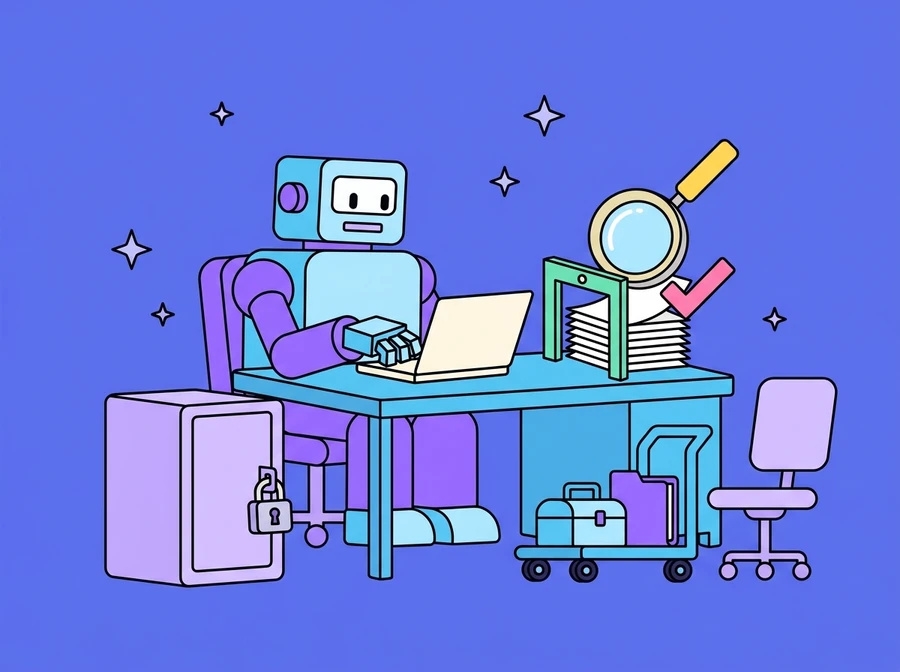
Agentic AI in the Workplace
Training and rollout for agent tools such as Claude Code and Claude Cowork, so it spreads past the first team
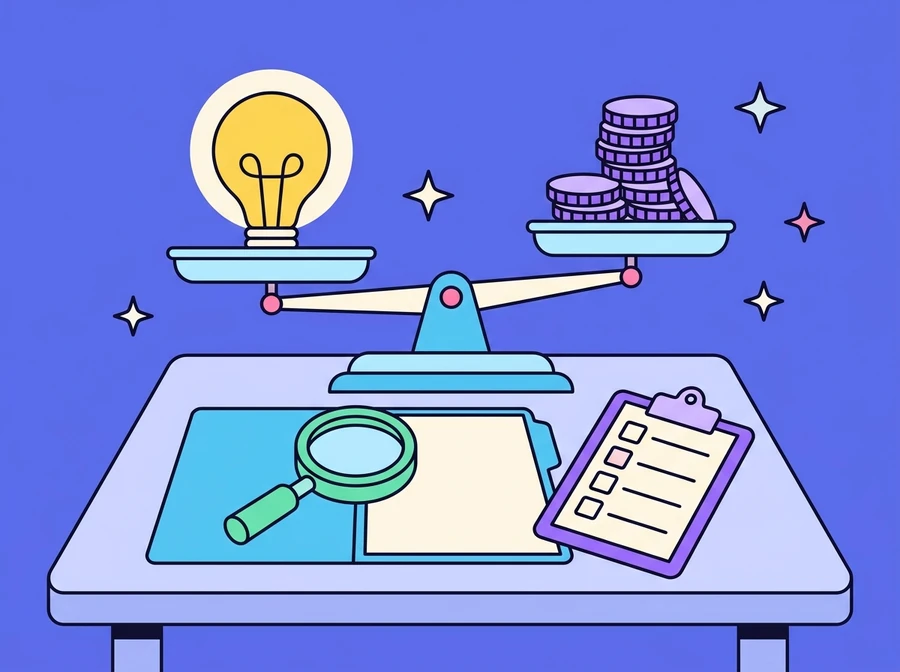
AI for Business
Decide for yourself where AI is worth doing, what it costs, and where the risk sits
Interested in this?
Talk to us and we will scope the work and the approach that suits your organisation.